




How to Recover from a Sports Injury
Key Takeaways
- Sports injuries can affect anyone, not just competitive athletes
- Early assessment prevents minor issues from becoming long-term problems
- Rest should be balanced with guided movement and rehabilitation
- Neck and shoulder pain often involves posture and daily habits
- Specialist input supports a safer, more confident return to activity
A twisted ankle during a weekend football match. A stiff shoulder after an intense gym session. A sharp twinge in the neck that refuses to fade. A sports injury in Singapore can happen to seasoned athletes and casual movers alike. The pace of life here is fast, and squeezing workouts between work and family often means skipping warm-ups or pushing through discomfort. That is usually when trouble starts.
Recovery is rarely about one magic fix. It is a process that blends rest, smart treatment, and patience. Some days feel encouraging. Others feel slow. That mix is normal, even if it feels frustrating.
First Things First: Don’t Ignore the Early Signs
Pain has a habit of sending mixed signals. Sometimes it eases after a day. Sometimes it lingers and quietly worsens. Swelling, limited movement, or weakness should not be brushed aside, especially after a sports injury in Singapore, where humidity and constant activity can aggravate inflammation.
Early assessment matters. Many people wait, hoping discomfort will fade. That delay can turn a small strain into something more stubborn. Seeking advice early from an orthopaedic surgeon in Singapore can clarify whether rest alone is enough or if targeted treatment is needed.
Rest Is Important, But Not the Whole Story
Rest sounds simple, but it is often misunderstood. Total inactivity can stiffen joints and slow healing. On the other hand, rushing back too soon can undo progress. The balance sits somewhere in between.
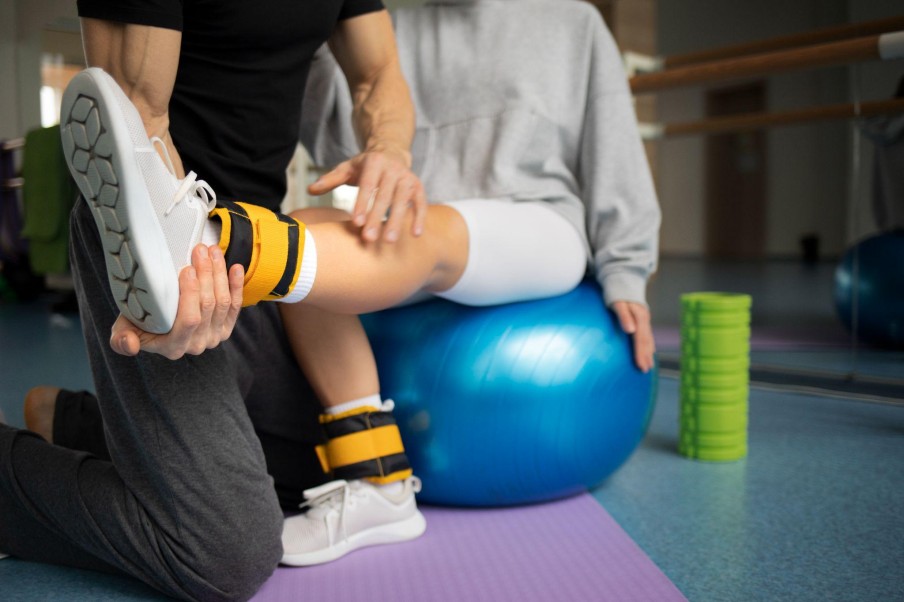
Controlled movement, guided stretching, and light strengthening help tissues recover. This is where structured rehabilitation plays a role. A sports injury in Singapore often benefits from physiotherapy plans that respect daily routines, whether that means desk-bound work or active commutes.
When the Neck and Shoulders Get Involved
Upper-body injuries deserve special attention. The neck and shoulders carry stress from screens, long hours, and poor posture. Add sports strain, and discomfort can spread quickly.
A neck and shoulder specialist looks beyond the obvious sore spot. Muscle imbalances, nerve irritation, or joint restrictions often overlap. Addressing these together prevents recurring pain. Many patients are surprised to learn that a shoulder issue may link back to posture or even breathing patterns.
The Role of Specialist Care
Not every injury needs advanced intervention, but some do. Persistent pain, repeated injuries, or limited improvement after weeks of rehab signal the need for deeper evaluation. An orthopaedic surgeon in Singapore can assess scans, joint stability, and tissue damage with clarity.
This does not always mean surgery. In fact, conservative care is often preferred. Precise diagnosis simply ensures that treatment matches the problem, not just the symptoms. That reassurance alone can reduce anxiety and speed recovery.
Mental Recovery Matters Too
Physical healing is only part of the story. Confidence often dips after injury. There is the quiet fear of re-injury or the frustration of lost progress. These feelings are common, though rarely discussed.
Gradual return-to-play plans help rebuild trust in the body. Small wins matter. Being able to jog without pain or lift a weight comfortably signals progress. Guidance from a neck and shoulder specialist or rehab team can keep expectations realistic while maintaining motivation.
Getting Back to What You Enjoy
Recovery does not end when pain disappears. Strength, flexibility, and movement quality need time to settle. Rushing back can trigger another sports injury in Singapore, sometimes worse than the first.
Long-term prevention includes proper warm-ups, technique checks, and listening to subtle warning signs. Regular reviews with an orthopaedic surgeon in Singapore help monitor joint health, especially for those who stay active year-round.
Conclusion
Recovering from a sports injury in Singapore is rarely instant, but it is achievable with the right approach. Early attention, balanced rest, guided rehab, and specialist input all work together. Whether support comes from an orthopaedic surgeon in Singapore or a trusted neck and shoulder specialist, informed care makes the journey smoother. For tailored advice and professional guidance, get in touch with Dr Bryan Tan and start recovery with confidence.
