


What Maintenance Looks Like After Completing a Bojin Treatment
Key Takeaways
- Maintenance after a Bojin treatment programme focuses on stabilisation, not continuous intensive work
- The first four to eight weeks are critical for preventing regression
- Long-term maintenance is usually spaced out and integrated with other beauty spa treatments
- Home care and lifestyle factors directly affect how long Bojin treatment outcomes last
- Over-treatment can be as counterproductive as no maintenance at all
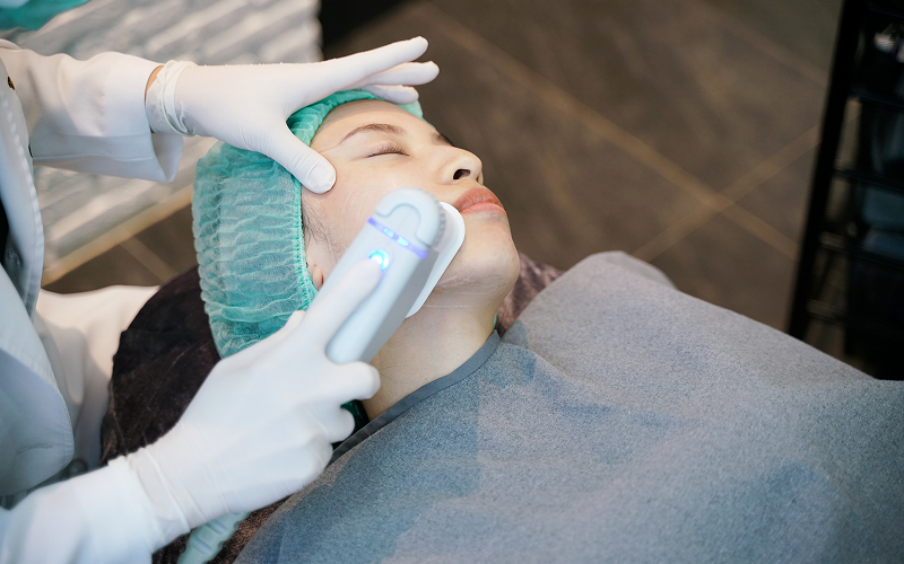
Completing a Bojin treatment programme does not signal the end of care. It marks the transition from active correction to maintenance. Bojin treatment works through manual manipulation of fascia, muscle tension points, and circulation pathways, which means results depend on how well the body retains structural and functional balance over time. Improvements, without a clear maintenance approach, can gradually diminish due to daily posture habits, stress, facial tension, and lifestyle factors. Maintenance is therefore structured, time-based, and deliberately less intensive than the original programme, particularly when managed within a professional beauty spa setting.
Weeks 1–4 After Programme Completion
The first month after completing a Bojin treatment programme focuses on stabilising the changes achieved. Tissues during this period are still adapting to reduced tension and improved circulation. Most beauty spa practitioners recommend either a single follow-up session or light maintenance sessions spaced two to four weeks apart. The aim is not further correction, but reinforcement. Pressure levels are typically lower, and sessions are shorter. This phase also includes monitoring for rebound tension, which can occur if jaw clenching, poor posture, or facial overuse returns too quickly. Skipping maintenance entirely at this stage increases the risk of regression.
Months 2–3
Once stabilisation is achieved, maintenance moves into a more spaced-out rhythm. Bojin treatment during this period is usually scheduled once every four to six weeks, depending on individual muscle tension patterns and lifestyle demands. However, for clients who experience high stress, prolonged desk work, or frequent facial tension, adjustments may be required sooner. A beauty spa may also combine Bojin treatment with non-invasive supportive therapies such as lymphatic work or a detox facial, provided these do not interfere with muscular alignment. The focus here is on correction preservation rather than visible change.
Months 4–6
Most structural changes from the original Bojin treatment programme have either stabilised or plateaued by this stage. Maintenance sessions may now be scheduled every six to eight weeks, or even less frequently for clients with good self-management habits. The beauty spa will typically reassess muscle tone, asymmetry, and circulation response rather than repeating full treatment protocols. This phase often determines whether Bojin treatment remains a standalone maintenance option or becomes part of a broader facial care strategy that may occasionally include treatments like a detox facial for skin conditioning and other skin or facial treatments. Over-frequent sessions during this period can overstimulate tissue and reduce treatment effectiveness.
Ongoing Maintenance Beyond Six Months
Long-term maintenance after Bojin treatment is highly individual. Some clients require only occasional sessions when tension accumulates, while others integrate Bojin treatment quarterly as part of their beauty spa routine. Outcomes, at this stage, are influenced more by daily habits than by treatment frequency. Poor sleep posture, chronic stress, and jaw overuse can shorten maintenance intervals. Conversely, consistent self-care can extend them. A professional beauty spa will typically shift from fixed schedules to needs-based maintenance rather than routine repetition.
Home Care and Lifestyle Considerations
Maintenance does not rely solely on in-spa sessions. Simple daily practices such as conscious jaw relaxation, posture correction, hydration, and avoiding excessive facial strain play a measurable role in outcome retention. Some beauty spa professionals may recommend light self-massage techniques, though these are not substitutes for Bojin treatment. Skincare products alone do not maintain muscular or fascial balance, but they can support overall skin condition alongside maintenance work.
Conclusion
Maintenance after completing a Bojin treatment programme is structured, time-dependent, and deliberately conservative. It shifts from correction to preservation, with decreasing frequency over time. Once managed properly within a beauty spa, maintenance helps sustain functional balance without creating dependency on frequent treatments. The goal is not constant intervention, but controlled support aligned with the body’s ability to maintain change.
Contact 21st Century Beauty Spa and let us help define a maintenance approach that aligns with your lifestyle rather than working against it.
