





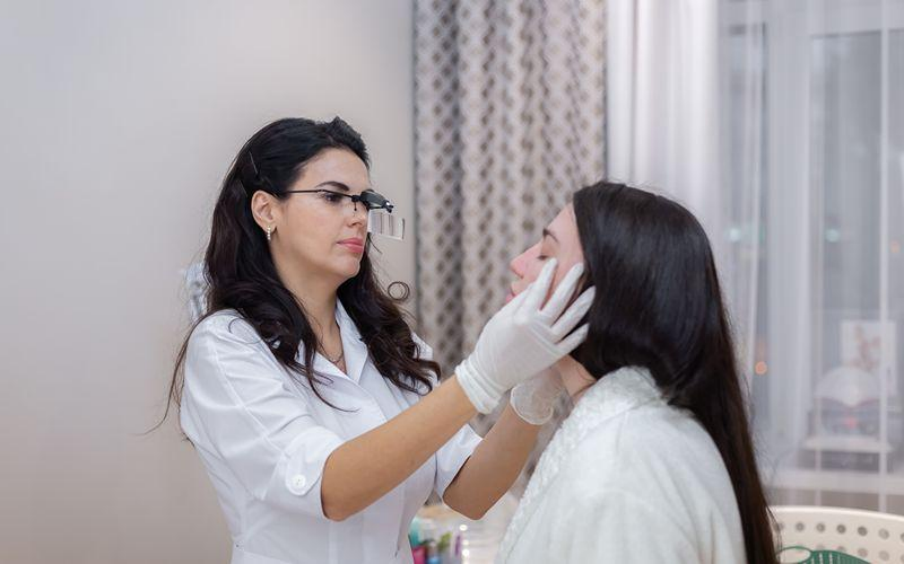
Is Laser Safe for Treating Hyperpigmentation? 4 Advices You Need to Know
Key Highlights
- Laser treatment can be safe for hyperpigmentation when properly assessed and customised.
- Skin type, pigment depth, and medical history directly influence treatment outcomes.
- Not all lasers suit all pigmentation concerns, especially for darker skin tones.
- Post-treatment care plays a decisive role in preventing rebound pigmentation.
Hyperpigmentation is not a cosmetic inconvenience; it is a complex skin response involving melanin overproduction. Many people searching for fast, visible improvement gravitate towards hyperpigmentation laser treatment without fully understanding how safety, suitability, and technique determine results. The question is not whether lasers work. The real question is whether lasers are safe for your skin.
A reputable aesthetic clinic in Orchard, Singapore, will approach pigmentation conservatively, treating laser as a medical tool rather than a quick fix. When used correctly, laser energy can break down excess pigment and stimulate skin renewal. When used poorly, it can worsen pigmentation, trigger inflammation, or cause long-term sensitivity. Safety begins long before the first pulse of light touches the skin.
Advice 1: Understand That Hyperpigmentation Is Not One Condition
Hyperpigmentation is a broad term covering different pigment disorders. Melasma behaves differently from sun spots. Post-inflammatory pigmentation reacts differently from age-related discolouration. Treating them the same way invites disappointment.
Laser safety depends on identifying pigment depth. Superficial pigmentation responds differently from deeper dermal pigmentation. Some conditions improve with laser. Others worsen if treated aggressively. A responsible aesthetic clinic in Orchard, Singapore, will assess whether laser is appropriate at all before recommending hyperpigmentation laser treatment.
This evaluation includes examining triggers such as hormones, sun exposure, inflammation, or previous procedures. A laser does not erase underlying causes. It manages visible pigment. Without an accurate diagnosis, laser treatment becomes guesswork, and safety becomes compromised.
Advice 2: Skin Tone Determines Laser Strategy, Not Marketing Claims
Skin tone significantly affects laser safety. Darker skin contains more active melanin, which absorbs laser energy more readily. This increases the risk of burns and rebound pigmentation if settings are poorly chosen.
Safe hyperpigmentation laser treatment adjusts wavelength, pulse duration, and energy output based on skin type. No single laser suits everyone. Clinics that advertise “one laser for all skin types” overlook biological reality.
An experienced aesthetic clinic in Orchard, Singapore, prioritises conservative parameters over aggressive results. Slower improvement with controlled sessions consistently outperforms rapid treatment that damages the skin barrier. Safety here is not caution for caution’s sake. It is risk management grounded in skin physiology.
Advice 3: Laser Is Only Safe When Combined With Skin Preparation
A laser does not operate in isolation. The condition of the skin before treatment heavily influences safety. Inflamed, sensitised, or sun-damaged skin reacts unpredictably to laser energy.
Proper preparation may involve calming treatments, pigment-regulating skincare, or strict sun protection before starting hyperpigmentation laser treatment. Skipping this step increases the likelihood of post-treatment darkening, even when the laser itself is technically correct.
Many patients underestimate this phase because it does not feel “active.” In reality, preparation reduces melanin reactivity and strengthens the skin’s tolerance. Clinics that rush into lasers without conditioning the skin prioritise speed over safety.
Advice 4: Aftercare Determines Whether Results Last or Reverse
Laser safety extends beyond the treatment room. Post-laser skin is vulnerable. Melanin production becomes highly reactive during healing. Without disciplined aftercare, pigmentation often returns darker than before.
Sun avoidance, medical-grade pigmentation control, and barrier repair become non-negotiable. Hyperpigmentation laser treatment creates opportunity, not permanence. Patients who ignore aftercare undermine results regardless of how precise the laser was.
A responsible aesthetic clinic in Orchard, Singapore, provides structured aftercare guidance rather than generic advice. This phase protects skin integrity while allowing gradual pigment clearance. Safety here is measured not only by immediate outcomes but by long-term stability.
Is Laser Safe Overall? A Balanced Perspective
Laser is safe for treating hyperpigmentation when applied selectively, conservatively, and with medical oversight. Problems arise when the laser becomes a default solution rather than a tailored intervention. Safety depends on diagnosis, skin tone awareness, preparation, and aftercare working together.
Hyperpigmentation laser treatment should feel planned, not rushed. When clinics take time to understand your skin rather than your expectations, laser becomes a controlled, effective option rather than a gamble.
Final Thoughts
Lasers can transform uneven pigmentation, but only under the right conditions. The safest results come from clinics that respect skin biology over trends and restraint over speed. If you are considering lasers, choose guidance that prioritises assessment, education, and long-term skin health.
Contact AEON Medical & Aesthetic Centre today to speak with licensed professionals at a reputable medical aesthetic clinic in Singapore and get clarity before committing to treatment.
