





Why Timely Herpes Zoster Treatment inside a Pain Relief Clinic Stops Long-Term Nerve Damage
Key Highlights
- Early medical intervention reduces the duration of the viral infection.
- Specialised pain management prevents the development of post-herpetic neuralgia.
- Nerve protection is a primary goal of comprehensive shingles care.
- Multidisciplinary approaches address both the rash and the underlying neural inflammation.
Introduction
Herpes zoster, commonly known as shingles, is a viral infection caused by the reactivation of the varicella-zoster virus, the same virus responsible for chickenpox. While the most visible sign of the condition is a painful skin rash, the true impact of the virus occurs beneath the surface within the sensory nerves. For many individuals, the acute phase of the infection is only the beginning of a potential long-term struggle with chronic pain. Seeking herpes zoster treatment in a timely manner is a critical factor in determining whether the patient recovers fully or develops lasting complications.
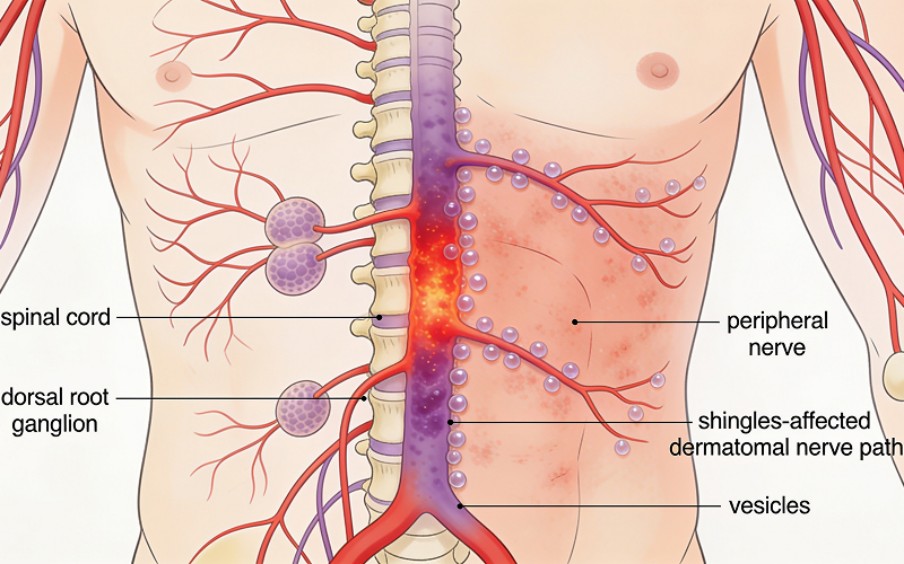
The progression from an acute infection to chronic nerve damage is a process that medical professionals strive to interrupt. When the virus reactivates, it travels along nerve fibres to the skin, causing inflammation and damage to the nerve tissue. This neural inflammation can lead to a condition known as post-herpetic neuralgia (PHN), where pain persists long after the rash has healed. Understanding the mechanisms of this damage is essential for appreciating why early intervention is necessary.
The Mechanism of Nerve Damage in Shingles
During a shingles outbreak, the virus causes an inflammatory response in the dorsal root ganglia or cranial nerve ganglia. This inflammation can result in the destruction of nerve cells and the scarring of nerve fibres. When nerves are damaged in this way, they may begin to send abnormal pain signals to the brain, even in the absence of a physical stimulus. This phenomenon, known as peripheral and central sensitisation, is what makes the pain of shingles so intense and difficult to manage with standard over-the-counter medications.
A pain relief clinic provides a specialised environment where the focus extends beyond simple symptom suppression. Medical practitioners in these settings are trained to identify the specific type of nerve pain associated with shingles and can implement strategies to protect the nervous system. By addressing the inflammation early, it is possible to limit the extent of the scarring and reduce the likelihood of permanent sensory changes.
Preventing Post-Herpetic Neuralgia
Post-herpetic neuralgia is defined as pain that lasts for more than ninety days after the onset of the shingles rash. It is one of the most common and debilitating complications of the infection. The risk of PHN increases significantly with age, as the immune system becomes less efficient at controlling viral replication and the nervous system becomes less resilient to injury. Studies have shown that patients who receive antiviral therapy within seventy-two hours of the rash’s appearance have a lower risk of developing PHN.
However, antiviral medication is only one part of the equation. Comprehensive care involves the use of neuro-stabilising medications and, in some cases, interventional procedures like nerve blocks. These interventions aim to “quieten” the overactive nerves and provide the body with the opportunity to heal without the constant stress of severe pain. This proactive approach is a hallmark of the care provided within a dedicated pain relief clinic.
The Importance of Early Diagnosis
The window for the most effective herpes zoster treatment is relatively small. Often, the first sign of shingles is not a rash but a localised sensation of burning, tingling, or itching. If medical advice is sought during this prodromal phase, the outcomes are generally much better. Once the rash appears, the inflammatory process is already well underway. Patients are encouraged to monitor for these early signs, especially if they have a history of chickenpox or are over the age of fifty.
Diagnostic clarity is also important because shingles pain can sometimes mimic other conditions, such as pleurisy, appendicitis, or even a heart attack, depending on the location of the affected nerve. A thorough evaluation ensures that the correct protocol is initiated immediately, sparing the patient from unnecessary pain and reducing the risk of long-term sequelae.
Conclusion
Herpes zoster is more than a skin condition; it is a neurological challenge that requires precise medical management. The transition from acute shingles to chronic post-herpetic neuralgia can have a profound impact on an individual’s quality of life. By seeking assistance at a pain relief clinic, patients can access a range of treatments designed to mitigate nerve damage and promote recovery. Timely intervention remains the most effective tool in preventing the long-term nerve damage that can follow this viral infection.
If you or a loved one is experiencing symptoms of shingles or persistent nerve pain, contact the team at The Pain Clinic to discuss your management options and begin your journey toward recovery.
