





Invisible Dental Braces vs Traditional Braces: What’s the Difference?
Key Takeaways
- Invisible dental braces use removable clear aligners and rely on consistent daily wear, while traditional braces remain fixed and do not depend on patient compliance.
- Maintenance differs between the two options, with aligners allowing easier brushing and flossing, and traditional braces requiring more careful oral hygiene routines.
- A pediatric dentist in Singapore can assess age, dental development, and lifestyle factors to determine which orthodontic option suits a child or teen best.
Introduction
Orthodontic treatment helps in guiding proper dental alignment for both children and adults. As treatment options expand, many families now compare invisible dental braces with traditional braces to decide which approach suits their needs. Consulting a pediatric dentist in Singapore can help families understand how these options differ in appearance, function, and maintenance, helping set clear expectations before treatment begins.
How Invisible Dental Braces Work
Invisible dental braces typically use a series of clear, removable aligners designed to apply controlled pressure to the teeth over time. Each aligner moves the teeth gradually, with patients switching to a new set every few weeks according to the treatment plan. Because the aligners are removable, patients can take them out during meals and brushing.
This flexibility appeals to older children, teenagers, and adults who prefer a less noticeable option. However, success depends heavily on discipline. Patients must wear the aligners for the recommended number of hours each day to achieve steady progress. Missed wear time can slow treatment and affect outcomes.
What are Traditional Braces?
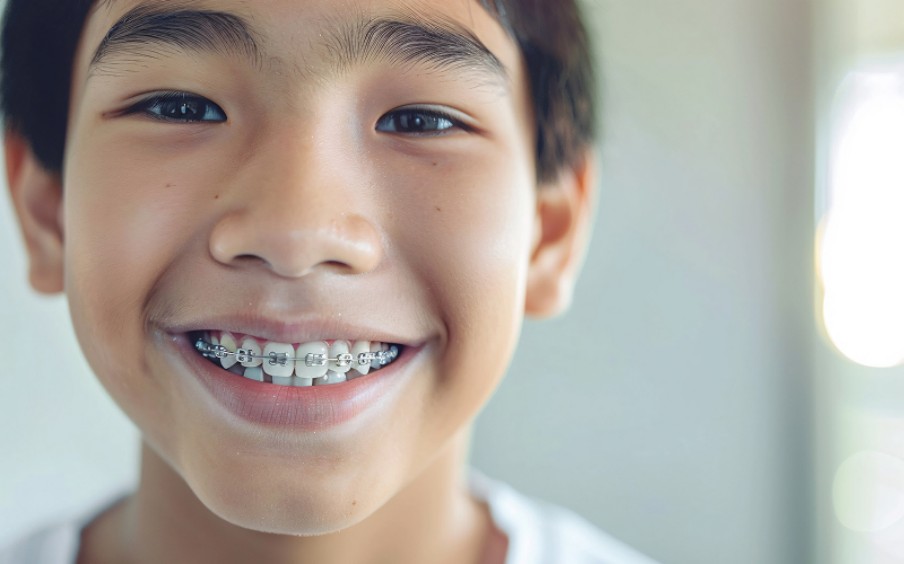
Traditional braces use metal or ceramic brackets attached to the teeth and connected by wires, which work together to move teeth into the desired position through continuous pressure. Unlike invisible dental braces, traditional braces remain fixed throughout treatment, which removes the need for patient-led compliance.
Due to its fixed nature, traditional braces can address a wider range of alignment issues, including more complex bite concerns. Adjustments occur during scheduled visits, where the orthodontist tightens or changes the wires to guide tooth movement in stages.
Appearance and Daily Comfort
Appearance often drives interest in invisible dental braces. The clear aligners sit closely against the teeth, making them less noticeable during daily interactions. This feature can help patients feel more comfortable in school, social settings, or professional environments.
Traditional braces, on the other hand, remain visible and may cause some initial irritation to the cheeks or lips. While most patients adjust over time, the brackets and wires require an adaptation period. Comfort levels vary, and orthodontists often provide guidance to manage early discomfort.
Maintenance and Oral Hygiene
Maintaining oral hygiene differs significantly between the two options, where invisible dental braces allow patients to brush and floss normally once the aligners are removed. This ease can reduce plaque build-up and simplify daily cleaning routines when patients follow instructions carefully.
Traditional braces require more effort. Food particles can collect around brackets and wires, making thorough brushing essential. Orthodontic tools, such as interdental brushes, often help maintain cleanliness. A pediatric dentist in Singapore may guide younger patients closely to build proper cleaning habits during treatment.
Suitability for Children and Teens
For younger patients, suitability often depends on age, maturity, and dental development. Invisible dental braces may be suitable for responsible teenagers who can manage wear schedules independently. They may not fit younger children who struggle with consistency or risk misplacing aligners.
Traditional braces remain a common choice for children and early teens. Their fixed design ensures continuous treatment without relying on daily compliance. Many families discuss these factors during consultations with clinics such as Happy Teeth Family Dental, where practitioners assess individual needs before recommending an approach.
Treatment Duration and Follow-Up
Treatment timelines vary for both options and depend on alignment complexity. Invisible dental braces often involve regular check-ins to monitor progress and issue new aligners. Missed wear time can extend treatment length.
Traditional braces follow a structured adjustment schedule, with predictable progress when patients attend appointments consistently. While treatment duration can be similar across both methods, the pathway differs in terms of patient involvement and daily responsibility.
Conclusion
Choosing between invisible dental braces and traditional braces involves more than appearance alone. Each option differs in maintenance, comfort, and suitability for different age groups. For families consulting a pediatric dentist in Singapore, knowing these distinctions can help make informed decisions and set realistic expectations.
Contact Happy Teeth Family Dental and discuss whether invisible dental braces or traditional braces suit your needs.
