





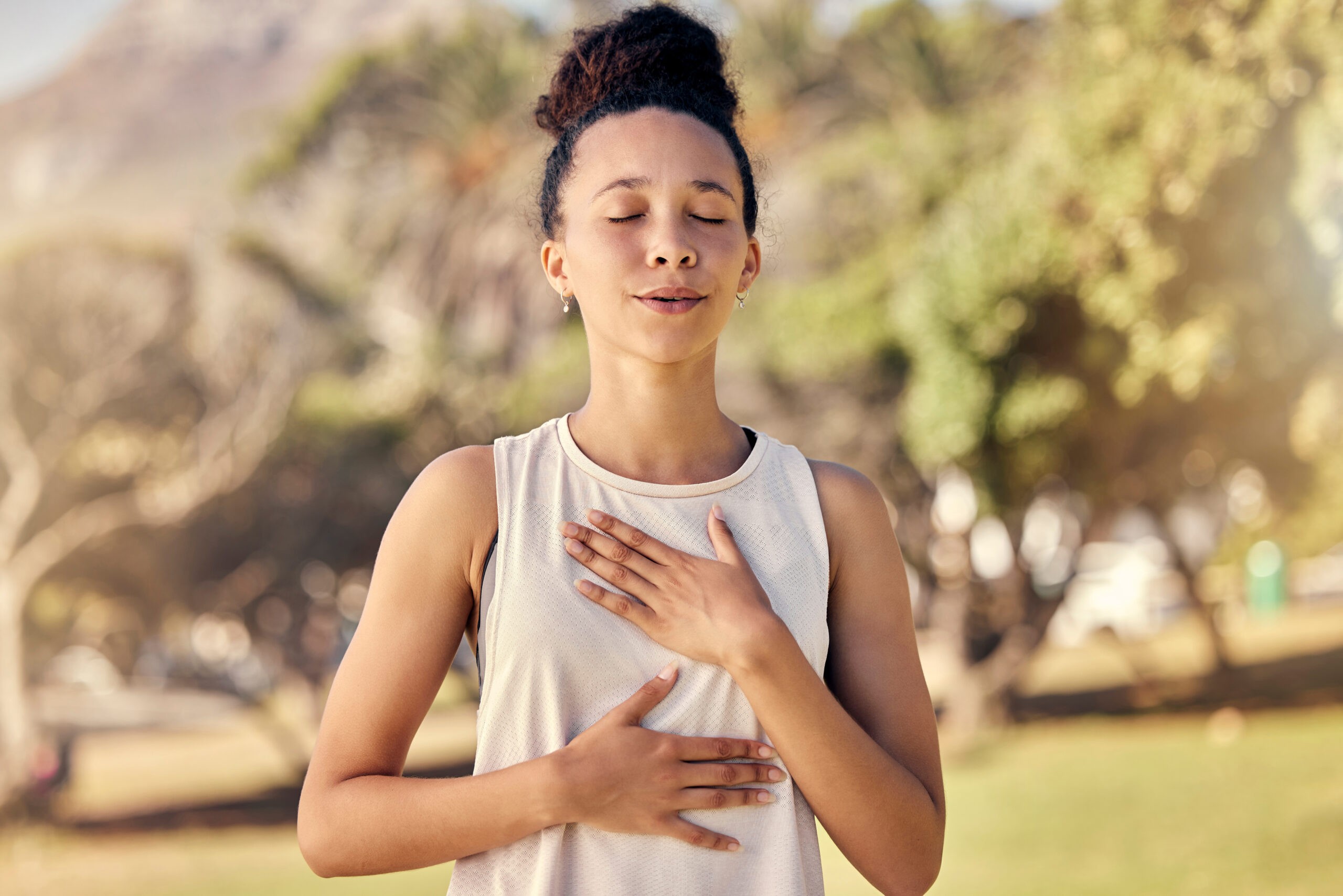
Deep Breathing Exercises for Stress Management and Relaxation
Breathing is a natural process that often goes unnoticed. However, the way you breathe can directly affect your mental and physical state. Shallow and rapid breathing is commonly linked to tension, while slow and controlled breathing helps calm the body and mind.
Deep breathing exercises are simple techniques that can be practiced anywhere without special equipment. When performed regularly, they help reduce mental pressure and improve overall well-being.
How Breathing Affects the Body
Breathing plays a key role in regulating the nervous system. It influences heart rate, oxygen levels, and mental clarity.
Effects of Controlled Breathing
- Slows heart rate
- Improves oxygen flow
- Reduces muscle tension
- Enhances focus
These changes help shift the body into a relaxed state.
What Are Deep Breathing Exercises
Deep breathing involves taking slow, steady breaths that expand the lungs fully. It focuses on inhaling through the nose and exhaling slowly.
Key Elements
- Slow inhalation
- Controlled exhalation
- Consistent rhythm
- Awareness of breath
These elements make the practice effective and easy to follow.
When to Practice Breathing Exercises
During Stressful Situations
Helps calm the mind and reduce immediate tension.
Before Sleep
Prepares the body for rest and improves sleep quality.
During Work Breaks
Refreshes the mind and improves focus.
After Physical Activity
Helps regulate breathing and relax muscles.
Step-by-Step Breathing Techniques
Basic Deep Breathing
Inhale slowly through the nose, hold briefly, and exhale through the mouth.
Counted Breathing
Inhale for 4 seconds, hold for 4 seconds, and exhale for 4 seconds.
Alternate Breathing
Switch between nostrils to improve balance and focus.
Extended Exhalation
Exhale longer than you inhale to promote relaxation.
Integrating Breathing into Daily Routine
Breathing exercises can be practiced at different times during the day without disrupting your schedule.
In the middle of your routine, practicing Deep Breathing helps maintain calmness and improve focus. Short sessions throughout the day can reduce accumulated tension and support better mental clarity.
Creating a Simple Daily Plan
Morning Session
Start the day with 5–10 minutes of breathing exercises.
Midday Reset
Take short breaks to practice controlled breathing.
Evening Relaxation
Use breathing techniques to unwind before sleep.
Signs Your Practice is Effective
Physical Signs
- Slower heart rate
- Relaxed muscles
- Improved breathing pattern
Mental Signs
- Reduced stress
- Better focus
- Increased calmness
These indicators show that your practice is working.
Combining Breathing with Other Techniques
Breathing exercises can be combined with meditation or light movement to enhance results.
Benefits of Combination
- Improves overall relaxation
- Enhances focus
- Supports emotional balance
This approach helps create a well-rounded routine.
Final Relaxation Step
Ending your session with awareness helps extend the calming effect.
Before concluding your practice, take a few moments to observe your breathing pattern and surroundings. This helps reinforce Stress Management and allows your mind to remain calm even after the session ends.
Conclusion
Deep breathing exercises provide a simple and effective way to manage stress and improve mental clarity. They can be practiced anywhere and easily integrated into daily routines. With consistency, these techniques help create a calm and balanced state of mind.
FAQs
How long should I practice deep breathing daily?
Starting with 5–10 minutes is effective for beginners.
Can deep breathing reduce stress?
Yes, it helps calm the nervous system and reduce tension.
Is deep breathing safe for everyone?
Yes, it is a natural and safe practice when done correctly.
Can I practice breathing exercises at work?
Yes, short sessions can improve focus and reduce stress.
Does deep breathing improve sleep?
Yes, it helps relax the body and supports better sleep quality.
