



Lifestyle Habits That Support Chinese Medicine for Acne
Key Takeaways
- Healthy daily habits may complement Chinese medicine for acne on the face as part of an overall acne management plan.
- Sleep, diet, stress management, and skincare routines can all influence skin health.
- Consistency is more effective than making frequent changes to treatments or routines.
- Lifestyle adjustments should be tailored to individual needs and combined with professional advice where appropriate.
Introduction
Acne can be influenced by several factors, including hormones, stress, skincare habits, and lifestyle choices. While treatment plans vary, Chinese medicine for acne on the face is commonly accompanied by recommendations that support overall health rather than focusing only on visible symptoms. Developing healthier daily routines may help create an environment that supports skin recovery and reduces factors associated with recurring breakouts. Small, sustainable changes are generally easier to maintain and may complement ongoing treatment.
Maintain a Consistent Sleep Routine
Poor sleep can affect hormone regulation, stress levels, and the body’s natural repair processes. These factors may contribute to acne flare-ups in some individuals. Maintaining regular sleeping hours and aiming for sufficient rest each night can support overall well-being. Practical steps include reducing screen time before bed, avoiding stimulants late in the evening, and keeping a consistent bedtime, even on weekends. Individuals using Chinese medicine for acne on the face are often encouraged to view quality sleep as part of a balanced lifestyle rather than an isolated habit.
Follow a Balanced Diet and Stay Hydrated
Although diet affects people differently, balanced eating habits may contribute to healthier skin. Meals containing vegetables, fruits, lean protein, whole grains, and healthy fats provide nutrients that support normal body functions. Drinking enough water throughout the day also supports overall health. Some people notice that highly processed foods or sugary beverages coincide with acne flare-ups, making it useful to monitor individual eating patterns rather than following restrictive diets. A balanced approach to nutrition can work alongside Chinese medicine for acne on the face without relying on extreme dietary changes.
Reduce Everyday Stress
Stress is frequently linked with worsening acne. Increased stress may influence hormones and inflammatory responses, which can contribute to breakouts. Managing stress through practical methods such as regular exercise, breathing exercises, meditation, or enjoyable hobbies may help reduce its impact. Taking regular breaks during work, maintaining realistic schedules, and ensuring adequate rest can also support emotional well-being. These habits are often considered supportive measures when incorporating Chinese medicine for facial acne into a broader acne management plan.
Practise Gentle and Consistent Skincare
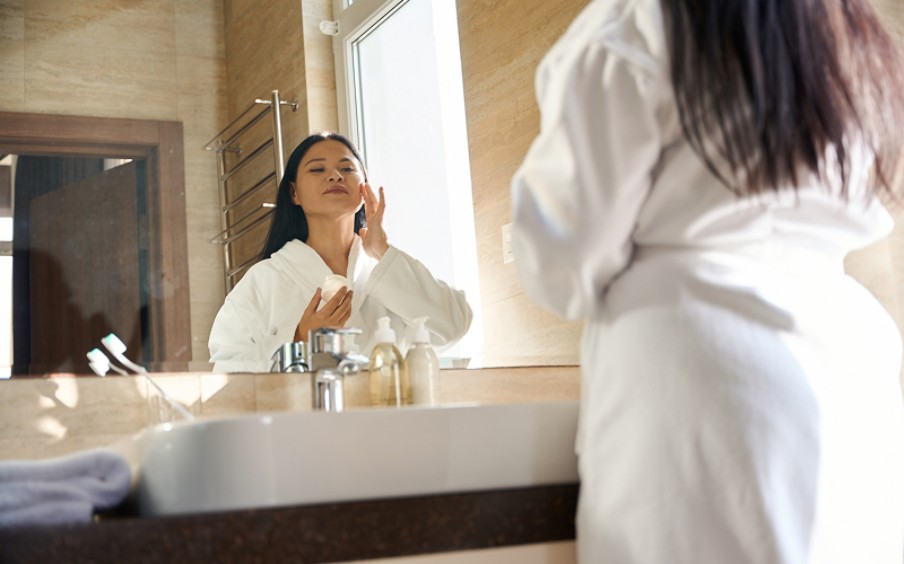
An effective skincare routine does not need to involve numerous products. Washing the face twice daily with a gentle cleanser, using non-comedogenic moisturisers, and applying sunscreen each morning can help protect the skin barrier. Over-cleansing, excessive exfoliation, or frequently changing skincare products may irritate the skin and worsen existing acne. It is also advisable to avoid squeezing or picking blemishes, as this may increase inflammation and the likelihood of scarring. Consistent skincare habits can complement Chinese medicine for acne on the face while supporting long-term skin health.
Keep Active and Maintain Good Hygiene
Regular physical activity supports general health and may help reduce stress. After exercising, showering promptly and changing out of sweaty clothing can minimise prolonged contact between sweat and the skin. Good hygiene also includes washing pillowcases, towels, makeup brushes, and reusable face masks regularly to reduce the build-up of oil, dirt, and bacteria. Avoiding frequent touching of the face may further reduce unnecessary irritation. These simple habits can become part of a practical daily routine that supports acne management.
Conclusion
Managing acne usually requires a combination of appropriate treatment and sustainable lifestyle habits. Consistent sleep, balanced nutrition, stress management, gentle skincare, regular exercise, and good hygiene all contribute to overall skin health. While results vary between individuals, these habits may complement Chinese medicine for acne on the face as part of a personalised management approach. Focusing on long-term routines instead of short-term fixes can provide a more practical foundation for supporting healthier skin.
Visit Tangs Clinical TCM and let us support your overall acne management strategy.
