



What Makes Salvia Divinorum Different? Exploring the Unique Chemistry Behind Its Unusual Reputation
Salvinorin A’s molecular structure is the main chemical difference. It is not an alkaloid, but a diterpenoid called a “neoclerodane. Its molecular formula is listed as C23H28O8 and its molecular weight is about 432.5 g/mol, according to PubChem. Most significantly, there is no nitrogen in most salvinorum a. This is rare as many of the well-known psychoactive natural compounds have nitrogen in their structure. Salvinorin A has thus been regarded as a very interesting template for medicinal chemistry.
A Different Route to the Brain
The receptor system that salvinorin A targets is still another amazing property; classic psychedelic drugs like LSD and similar substances mainly act on serotonin 5-HT2A receptors. Salvinorin A acts on a different pharmacological pathway. It is found to be a potent and very selective kappa opioid receptor agonist. This receptor is normally stimulated by peptides produced in nature, known as dynorphin. This distinction may account for why subjective experiences with Salvia can vary widely from those of traditional serotonergic psychedelics.
The importance of its structure
Salvinorin A’s unusual scientific significance is also attributed to its molecular architecture. They have determined some of its structural characteristics that affect its binding to the kappa opioid receptor. Experiments suggest that the furan ring and the methyl ester are significant for activity. Other changes can decrease receptor binding. This makes the molecule useful in the study of the effects of relatively minor structural modifications on the biological activity. It has also stimulated the investigation of related salvinorin compounds and synthetic analogues.
Changes in leaves and chemical composition
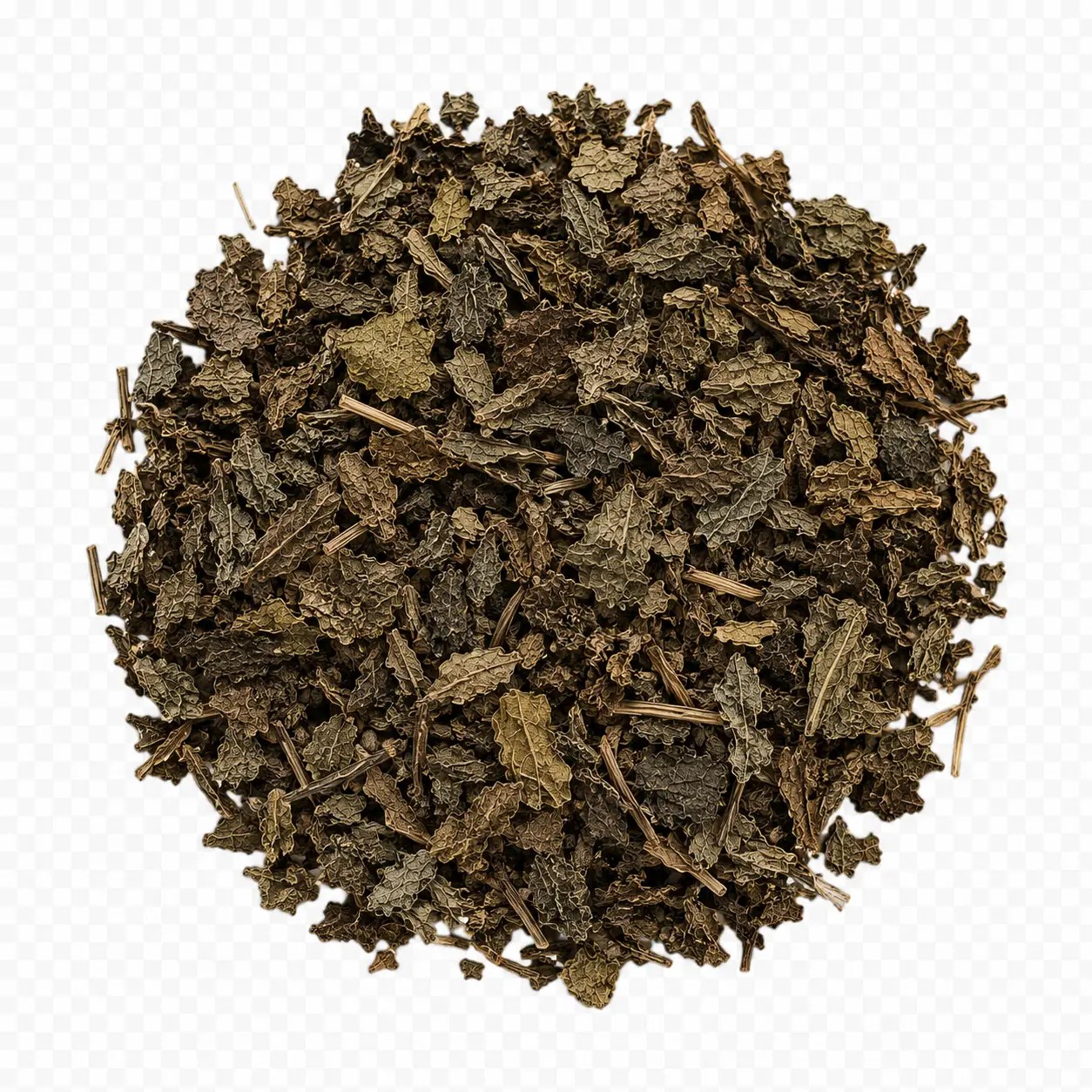
The amount of active ingredients may not be the same in all plant remedies. Studies have found that the amount of salvinorin A in a plant may fluctuate depending on the stage of its growth and how it’s prepared. Leaves also contain diterpenoids including salvinorin A, which are responsible for the rest of the plant’s chemical makeup. As a consequence, it should not be assumed that Salvia Divinorum Dried leaves are chemically identical from various sources. Two other studies in the scientific literature also report that salvinorin A is quickly metabolised, which helps account for its relatively brief duration of effect.
Science’s Obsession with It
Salvia divinorum continues to be a fascinating plant from a chemical perspective since one of its compounds defies a number of assumptions about psychoactive chemistry. Salvinorin A is psychoactive but contains no nitrogen. It works on the kappa opioid receptor, not the traditional serotonin pathway. The unique architecture has also been the subject of studies to develop new receptor ligands and therapeutic uses. These options are still in an experimental stage and not yet considered medical therapies.
