




Clear Aligners 101: The Digital Design Process Explained
Clear aligner treatment looks simple from the patient side: wear a series of clear plastic trays, switch to a new one every week or two, and watch your teeth gradually shift into place. Behind that simplicity is a surprisingly involved digital design process that determines whether your treatment actually works the way it’s supposed to.
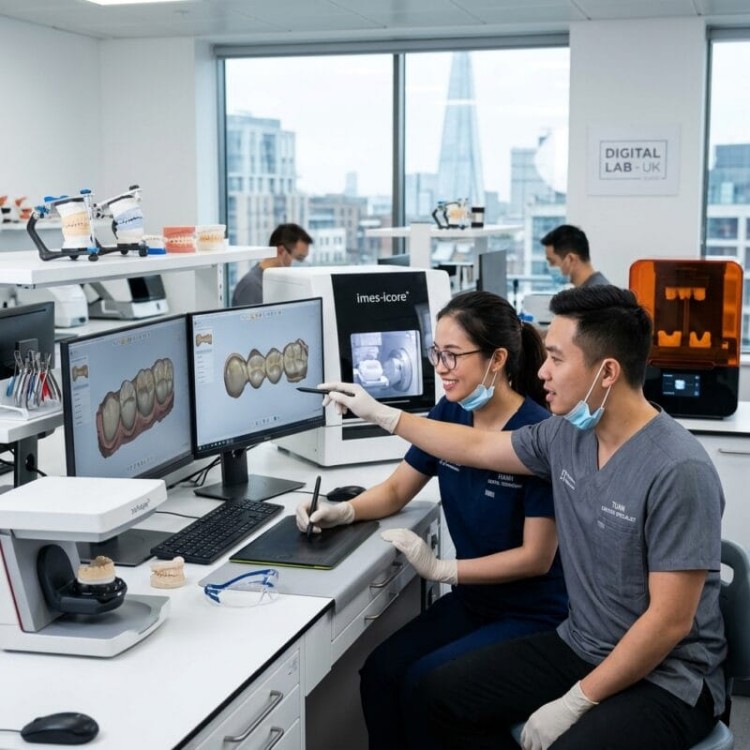
It begins with a 3D scan of your teeth, which becomes the starting point for the entire treatment plan. From there, a specialist maps out every stage of movement, how much each tooth needs to shift, in what direction, and in what order, often using software that simulates the whole treatment before a single aligner is made. This is where most of the actual planning happens, and it determines things patients feel directly: how many aligners you’ll wear, how long treatment takes, and how comfortable each stage is.
Small plastic “attachments” bonded to certain teeth are also planned at this stage, giving the aligners extra grip to execute more difficult movements like rotations or bodily shifts that clear plastic alone can’t manage well. Getting attachment placement and movement staging right is a specialized skill, distinct from general dentistry, which is why many orthodontic practices route this work to a team focused specifically on 3d dental treatment planning rather than handling it entirely in-house.
Once the full staging plan is approved, usually after your dentist or orthodontist reviews and signs off on it, each stage is manufactured as an individual aligner, typically 3D printed from the digital plan directly.
Understanding this process doesn’t change how the aligners feel day to day, but it does explain why treatment plans can be adjusted mid-course if teeth aren’t moving exactly as predicted: because the whole plan was built digitally in the first place, it can be re-mapped rather than started over.
If your aligner treatment seems to be progressing differently than expected, that flexibility built into the original digital plan is usually exactly why mid-course adjustments remain possible at all, without starting the whole process over from scratch.
