



A Quick Biomechanical Guide to Overcoming Chronic Plantar Fasciitis and Calcification
Key Highlights
- Understanding how biomechanical imbalances contribute to chronic foot pain.
- Examining the link between persistent tissue inflammation and calcification.
- Utilising modern therapeutic approaches to facilitate tissue recovery.
Introduction
Plantar fasciitis is a condition that affects the thick band of tissue running across the bottom of your foot. For many, this manifests as a stabbing pain near the heel, particularly during the first steps of the morning. While rest and simple stretches are often the first line of defence, chronic cases involving calcification—which may be treated with shockwave therapy in Singapore—require a deeper understanding of the biomechanical forces at play. Addressing these issues early can prevent long term structural changes in the foot.
The Biomechanics of Chronic Heel Pain
The plantar fascia acts as a shock absorber and supports the arch of the foot. When this tissue is subjected to repetitive stress, micro tears can develop. If the body is unable to heal these tears efficiently, chronic inflammation sets in. This biomechanical failure often stems from poor foot mechanics, tight calf muscles, or improper footwear, which forces the fascia to work harder than it should. When these mechanics remain uncorrected, the fascia becomes increasingly strained, leading to a cycle of pain that becomes difficult to break.
Understanding Calcification and Tissue Degradation
In cases of long term plantar fasciitis, the body often attempts to repair the damaged tissue by depositing calcium at the attachment site of the heel bone. This leads to the formation of heel spurs or general calcification. This is not merely an incidental finding but a structural response to chronic tension. The presence of calcification complicates the rehabilitation process, as the hardened tissue is less flexible and more prone to further irritation. Consequently, the biomechanical efficiency of the foot diminishes, making even daily activities uncomfortable.
Modern Therapeutic Approaches
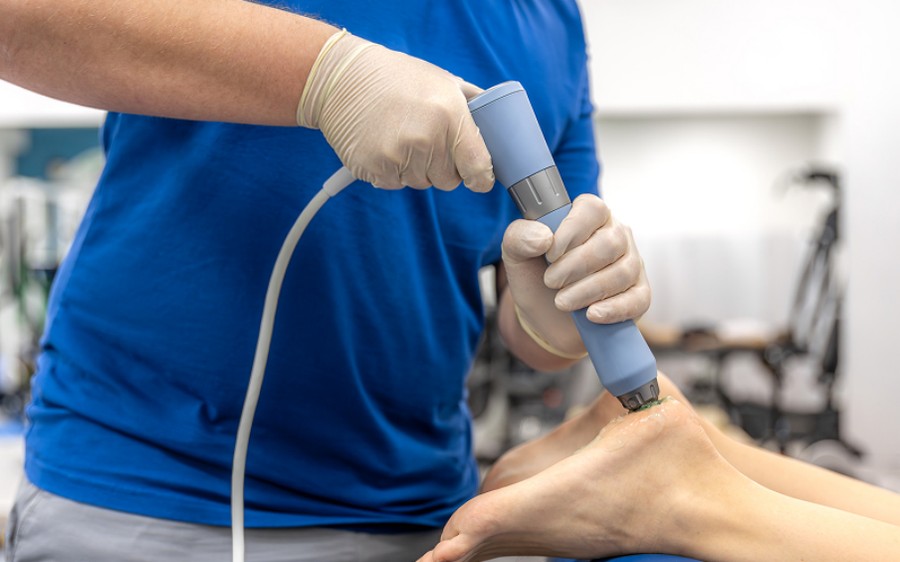
To address these persistent issues, many patients look towards advanced intervention. For those seeking shockwave therapy in Singapore, the process involves using high energy acoustic waves to stimulate blood flow and trigger the body’s natural healing response. This is particularly effective for breaking down hardened, calcified tissue and promoting the regeneration of healthy fascia. While patients are often concerned about the shockwave therapy cost in Singapore, it is helpful to view this as a strategic investment in long term mobility and health, rather than a recurring expense for temporary relief. Professional assessment is key to determining if this modality is suitable for your specific biomechanical profile.
Preventive Strategies and Lifestyle Adjustment
Recovery is rarely about a single treatment. It involves a holistic approach to foot health. Ensuring your footwear provides adequate arch support is the first step in offloading the tension from the fascia. Regular, gentle stretching of the posterior chain, including the calves and hamstrings, helps to alleviate the pulling force exerted on the heel bone. Furthermore, correcting gait abnormalities through professional guidance can prevent the recurrence of the condition. By focusing on these biomechanical adjustments, you create an environment where the tissues can heal properly.
Conclusion
Overcoming chronic plantar fasciitis requires patience and a methodical approach. By addressing the biomechanical root causes and utilising effective interventions such as acoustic wave therapy, you can reclaim your mobility. Remember that consistent care and professional guidance are the foundations of successful recovery.
If you are struggling with chronic heel pain or require further advice on your recovery, please contact us at Live Well Chiropractic. We are dedicated to providing the care you need to get back on your feet.
