




Pico Laser Treatment vs Traditional Laser Procedures: What’s Different?
Key Takeaways
- Pico lasers use photo-acoustic energy to shatter pigment into smaller particles.
- Traditional lasers rely on heat, which can increase the risk of skin irritation.
- Pico treatments generally require fewer sessions and offer faster recovery times.
- Consulting a medical aesthetic clinic in Singapore helps you choose the right technology for your skin.
Introduction
If you have been looking into ways to clear up your skin, you’ve probably noticed that there are a lot of different laser options out there. It can be a bit confusing, can’t it? For a long time, traditional lasers were the only real choice for treating things like sunspots or old tattoos. But lately, everyone seems to be talking about Pico technology. You know what? While they both use light to treat the skin, the way they work is actually quite different. It is like comparing a standard oven to a high-tech microwave—they both cook, but the method and the speed are worlds apart.
When you walk into a medical aesthetic clinic in Singapore, you want to be sure you are getting the most advanced care possible. Choosing between a traditional laser and a Pico laser depends on your specific goals, but for many, the newer technology offers some significant advantages. Let us break down the science in a way that makes sense, so you can decide which path is right for your skin journey. It is all about finding the most efficient way to get the results you want.
Heat vs. Pressure: The Core Difference
The biggest difference between these two technologies is how they deliver energy to your skin. Traditional lasers work in nanoseconds (billionths of a second). They rely on a “photo-thermal” effect, which basically means they use intense heat to burn away unwanted pigment or ink. While this is effective, the heat can sometimes linger in the skin, causing redness, swelling, or even a risk of burning in the surrounding tissue. It is a bit like using a very hot iron to get a wrinkle out of a delicate shirt—it works, but you have to be very careful.
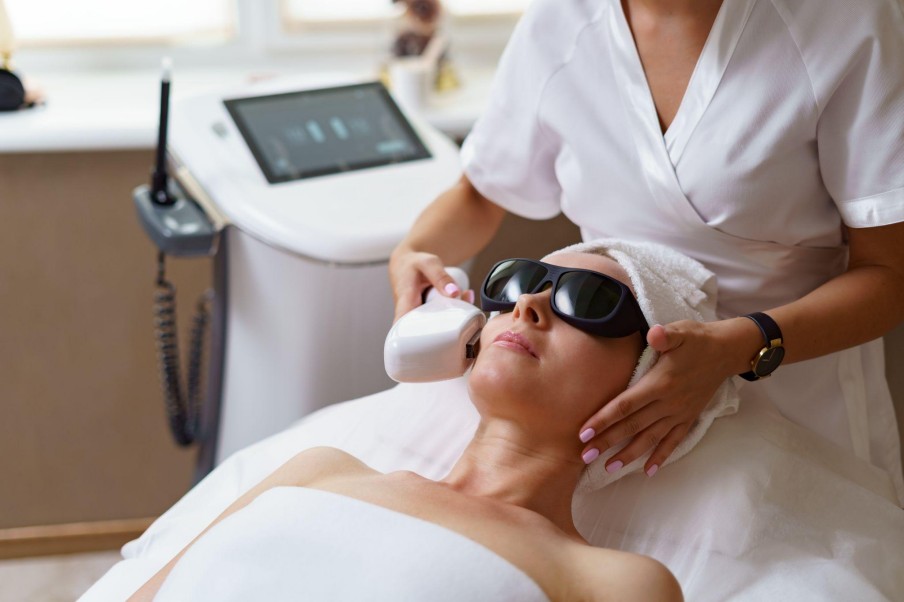
Pico laser treatment, on the other hand, works in picoseconds (trillionths of a second). Because the pulse is so incredibly fast, it doesn’t have time to create a lot of heat. Instead, it creates a “photo-acoustic” effect. It is a pressure wave that hits the pigment so quickly that it shatters it into tiny pieces. It is like hitting a block of ice with a hammer instead of trying to melt it with a hair dryer. Because there is so much less heat involved, the treatment is often more comfortable and carries a lower risk of side effects.
Shattering the Pigment into Dust
When we talk about removing things like tattoos or stubborn dark spots, the size of the particles matters. Traditional lasers break the pigment down into relatively large “chunks.” Your body’s immune system then has to work hard to carry these chunks away. This is why older laser treatments often required ten or more sessions to see a significant difference. It is a slow process that requires a lot of patience.
The pressure waves from Pico laser treatment are much more efficient. They shatter the pigment into a fine “dust.” These tiny particles are far easier for your body to process and eliminate through its natural systems. As a result, many patients at a medical aesthetic clinic in Singapore find that they need fewer sessions to reach their desired goal. Whether you are dealing with melasma or a tattoo you’ve outgrown, the ability to clear the pigment faster is a huge plus. It saves you time and often leads to a cleaner, clearer result.
Recovery and Downtime Expectations
In our busy lives, nobody wants to spend a week hiding at home while their skin heals. This is where Pico technology really shines. Because it avoids the excessive heat of traditional lasers, the “downtime” is significantly reduced. Most patients experience only a bit of redness that looks like a mild sunburn, which usually fades within a few hours or a day. You can often go right back to work or out for dinner immediately after your appointment.
Traditional lasers can sometimes cause more intense crusting or peeling, which requires more careful aftercare and time away from the sun. For those with busier schedules or more active social lives, the convenience of Pico laser treatment is hard to beat. It allows you to invest in your skin without having to pause your life. When you choose a reputable clinic, you are getting the benefit of this high-speed technology paired with professional expertise, ensuring a smooth and easy recovery every time.
Conclusion
The world of aesthetic medicine is always evolving, and the shift from traditional lasers to Pico technology is a perfect example of that progress. By using pressure instead of heat, we can now treat skin concerns more effectively, more safely, and with much less downtime. While traditional lasers still have their place in certain medical treatments, for those seeking skin rejuvenation or pigment removal, Pico is often the superior choice. It is a faster, more refined way to care for your complexion.
Take the time to discuss your options with an expert who can assess your specific skin type and needs. Every face is different, and the best results come from a tailored approach. Whether you want to clear up sun damage or say goodbye to an old tattoo, the right technology can make all the difference. Embrace the future of skincare and see how these advanced pulses can help you look and feel your best. Your skin deserves the best that modern science has to offer.
Are you curious about how Pico technology can transform your skin? Contact Dr Valentin Low today to book a consultation.
